


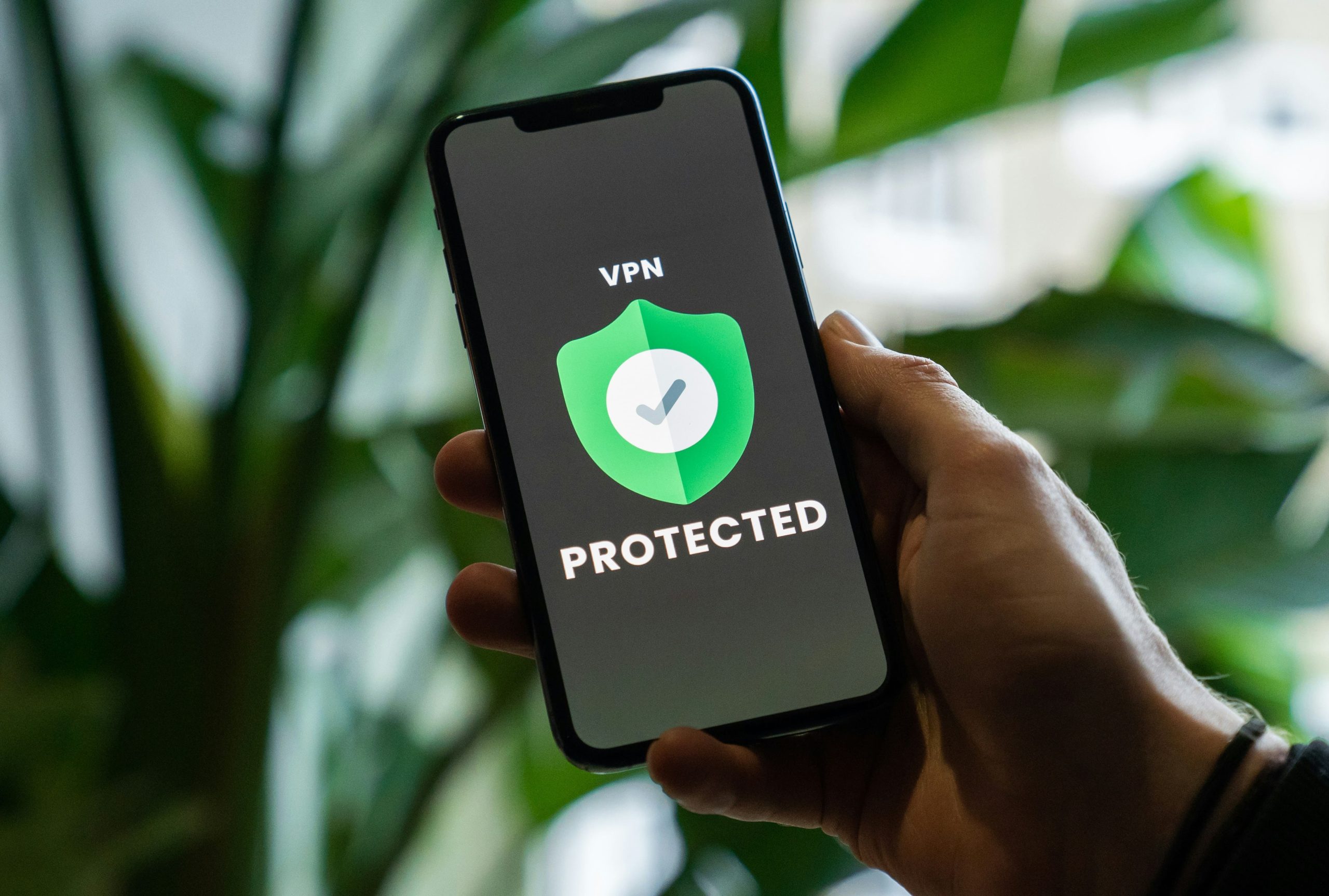
in the digital age, protecting your personal information online is more important than ever. From internet service providers (ISPs) monitoring your activity to advertisers tracking your every move, your privacy is constantly at risk. A Virtual Private Network (VPN) is one of the most effective tools for maintaining anonymity and safeguarding your data. However, not all VPNs offer the same level of protection.
if you’re serious about your online privacy, you need more than just a basic VPN service. You need a VPN equipped with advanced privacy tools designed to prevent tracking, bypass censorship, and keep your personal data secure. In this article, we’ll show you how to choose a VPN with the best privacy features.
1. look for a verified no-logs policy
the most important feature of any privacy-first VPN is a strict no-logs policy. This means the provider does not keep any record of your online activity, IP address, connection timestamps, or bandwidth usage.
when evaluating a VPN’s no-logs claim, make sure:

it has been independently audited by a third party.
it is based in a privacy-friendly jurisdiction (outside the 5/9/14 Eyes surveillance alliances).
it has a track record of transparency, including annual transparency reports.
this ensures that even if the VPN provider is compelled by law enforcement, they will have no data to hand over.
2. prioritize strong encryption and secure protocols
a reliable VPN should offer military-grade encryption, typically AES-256-bit, to secure your data. Equally important are the tunneling protocols that determine how your data is routed through the VPN servers.
look for support for:
openVPN – known for strong security and stability.
wirecuard – a modern, fast, and highly secure protocol.
IKEv2/IPSec – ideal for mobile users due to its stability during network changes.
these protocols ensure your data remains encrypted and protected from prying eyes while in transit.
3. essential privacy tools you shouldn’t ignore
beyond the basics, advanced VPNs offer a range of privacy-enhancing tools that make a significant difference:
kill switch
This tool automatically disconnects your internet if the VPN connection drops unexpectedly. Without it, your IP and activity could be exposed for even a few seconds.
DNS leak protection
DNS requests reveal the websites you visit. Without DNS leak protection, these can bypass the VPN and expose your activity to your ISP. A strong VPN routes all DNS traffic through its own encrypted servers.
obfuscation
Some governments and networks block VPNs. Obfuscation tools make VPN traffic look like regular internet traffic, helping you bypass censorship and network restrictions without detection.
multi-hop (double VPN)
This feature routes your connection through two or more VPN servers, adding an extra layer of encryption and making it much harder to trace your activity.
4. extra features that enhance your privacy
while not essential, some additional features can further protect your privacy and improve your overall VPN experience:
split tunneling: choose which apps or sites use the VPN and which don’t.
Ad & tracker blockers: built-in features that prevent advertisers from collecting your data.
anonymous payment options: support for cryptocurrency or gift card payments helps keep your identity hidden.
Dedicated IP Options: Avoid shared IP addresses, which can be flagged or blocked, especially for secure tasks like online banking.
these tools are particularly useful for advanced users or those with specific privacy needs.
5. evaluate speed, server network, and usability
While privacy is the main concern, you also want a VPN that performs well:
speed: a good VPN should not significantly slow down your connection.
server locations: a broad network ensures better access to global content and more options for connection.
ease of use: Look for intuitive apps with a clean interface across all your devices.
also, ensure the VPN supports your platforms — Windows, macOS, Android, iOS, and browsers.
6. read reviews and test for yourself
before making a commitment, research customer reviews and expert comparisons. most premium VPNs offer a money-back guarantee, allowing you to test:
real-world performance
server reliability
privacy features in action
you can also check for independent security audits or public bug bounty programs — signs of a provider that values transparency and improvement.
final thoughts
choosing a VPN with the best privacy tools isn’t just about hiding your IP address — it’s about securing your digital life from trackers, hackers, and surveillance. Focus on verified no-logs policies, robust encryption, essential tools like kill switches and DNS leak protection, and extra privacy features like multi-hop and obfuscation.
by selecting a VPN that prioritizes your privacy at every level, you gain more than just anonymity — you gain peace of mind. In a world where data is the most valuable commodity, investing in a strong VPN is investing in your freedom.
would you like a list of the top VPNs that include these features? I’d be happy to help you compare options or write more articles for your blog.
